
Blog
The Invisible Kanban Pipeline: How to Expose the Work You Don’t See17 Jun 2026
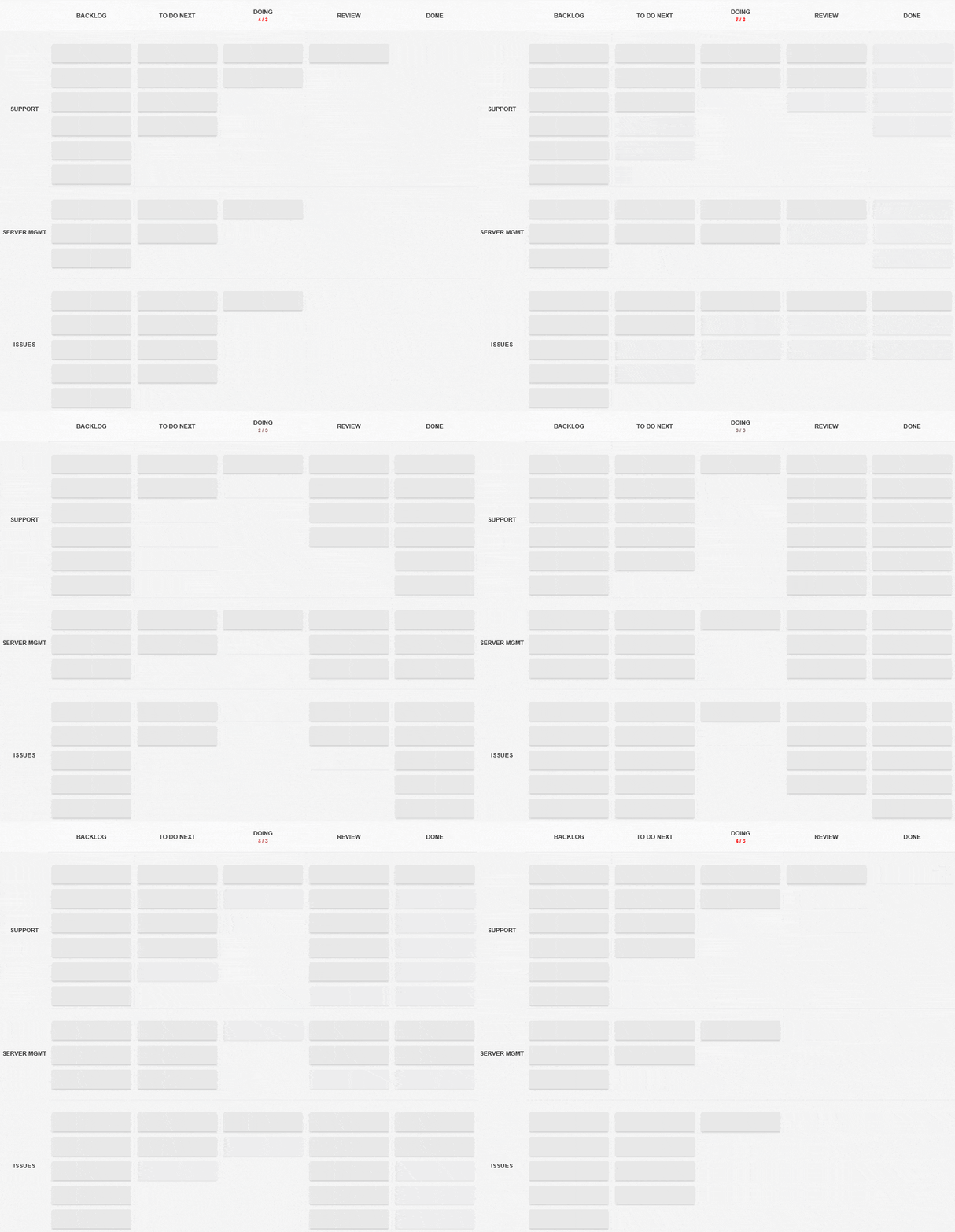
A Kanban board can give the impression of complete workflow order: cards lined up in neat columns, tasks progressing steadily toward release. But many team boards don’t tell the whole story. The kinds of effort and activity that do not usually show are a late-night support call, the many hours someone spends untangling an approval chain, or the quiet emotional effort it takes to keep a tense meeting from derailing.
Those are the invisible layers of work -ones that consume time and energy, yet rarely appear on the Kanban board as task cards. Their invisibility warps the entire workflow picture. A team may think it's underperforming when, in fact, its capacity is being drained by work the system doesn’t acknowledge. The team leader may wonder why delivery forecasts miss the mark, and it is because the true workload was never known or estimated in the first place.
A solution that might seem obvious: more reporting and stricter rules, isn't what is called for. The answer is redesigning the Kanban board so that it reflects the factual flow of work, including the parts kept in the margins until that point.
The unplanned pipeline
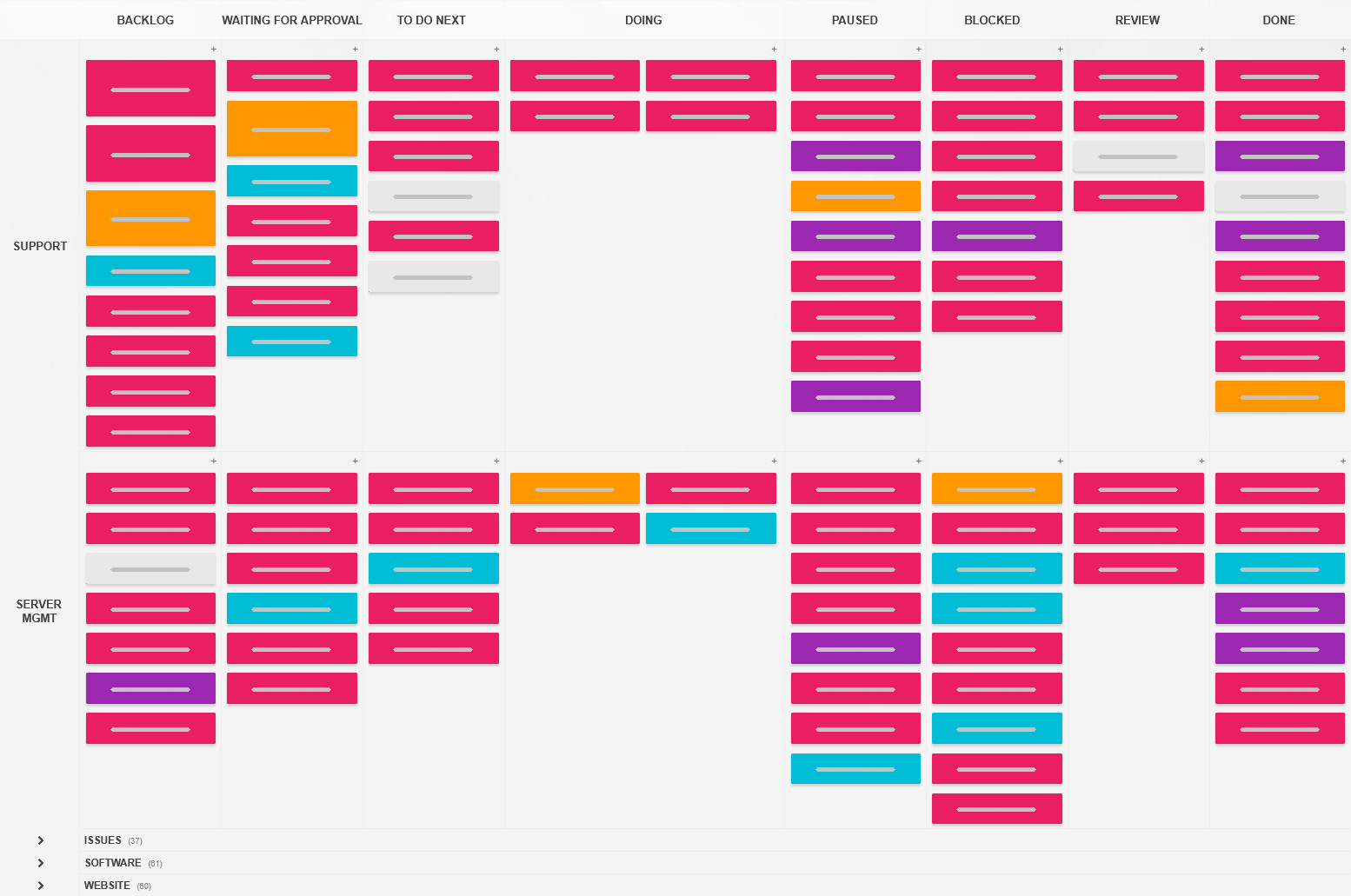
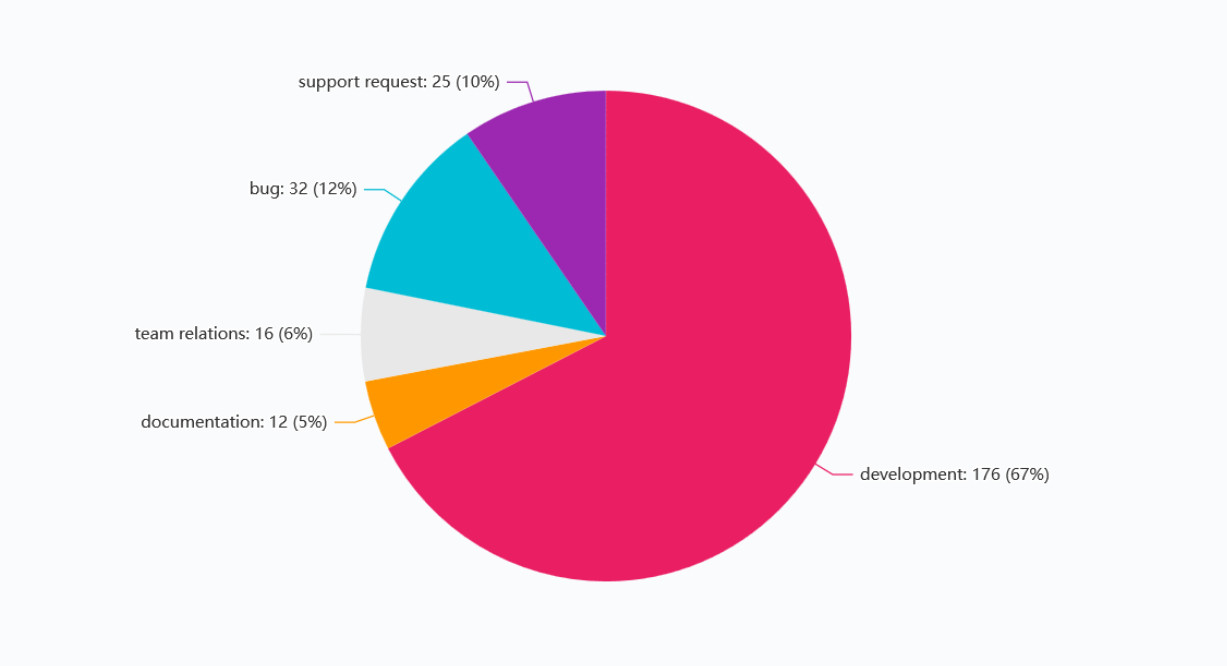
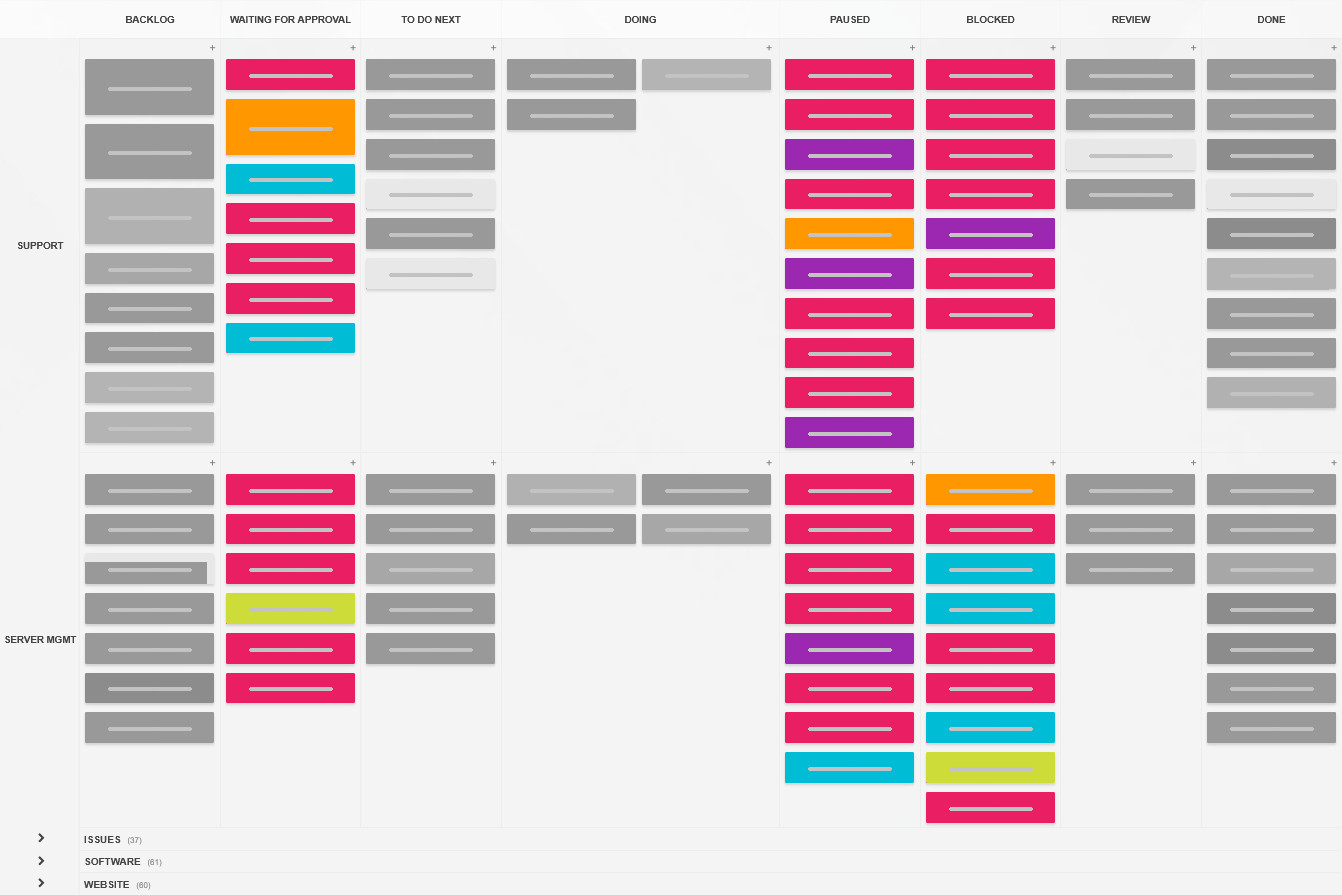
On a development team's board, support requests, production issues, or documentation making rarely get the dignity of a card. They can arrive suddenly and take many hours while leaving no visible trace behind. To account for them, create dedicated swimlanes and ensure that each request has a matching Kanban card, regardless of the item's size and scope. Distinguish each type of work visually so that when half the week is consumed by unplanned non-development work, the board tells the truth with no extra effort.
Work that builds tomorrow
Team members' learning and growth can often be disguised as absence: someone is not working on features because they’re deep in documentation or experimenting with a new tool, or approach to a problem. Yet without that investment, future items will arrive slower and shakier.
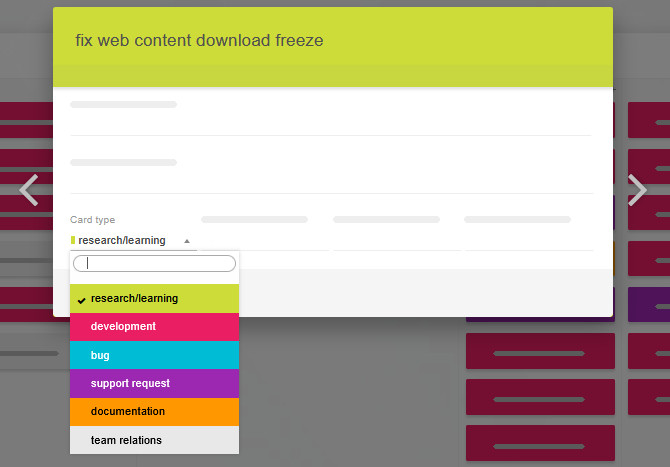
Consider representing learning and/or research as its own class of work. Use dedicated tags, swimlanes, or task colors. Illustrating this accomplishes two things: it legitimatizes learning as intentional work, and it helps teams balance exploration and investigation with delivery, instead of treating it as a guilty secret or, worse still, a weakness.
Waiting: Your hidden cost center
When a card is stuck waiting on something - be that another team member's input, a different team's portion of processing - it appears passive and nonintrusive. In reality, it burns a hole in the workflow as it represents a paused, but not completed, process. It calls for context-switching, attending to reminders, and an eventual restarting of its progress. When left invisible, waiting accumulates on the board quietly until eventually and inevitably becoming the dominant form of waste in the process.
We cannot avoid all forms and reasons for waiting altogether, but we can make waiting explicit. Mark blocked items clearly or give them a separate “On Hold/Waiting” column. Most likely, patterns will begin to surface: repeated bottlenecks, recurring external dependencies, and the same team members deferring work as non-crucial. Without making it visible, waiting can never be negotiated, or removed from the system.
The unseen emotional balance sheet
A typical Kanban board doesn't reflect the emotional effort required for mentoring, smoothing out conflicts, absorbing or mitigating stakeholder frustration. But it is those acts that keep teams functional - without them, a delivery pipeline eventually collapses under interpersonal friction, burnout, and - eventually - employee turnover.
Try addressing it with a simple practice of logging significant team care efforts as lightweight task cards. Not to track productivity, but to acknowledge that this is real work with real impact. It will help to prevent this necessary emotional labor from becoming an unspoken burden, skewing perceptions of the team's contributions.

Show it all to know it all
Process boards that exclude entire categories of work stop being mirrors of reality and become abstract, meaningless artifacts. Understandably, teams then optimize only what’s visible, but the hidden load continues to shape outcomes from the shadows.
The point here is not to document every detail of daily effort, it is to decide which invisible forces consistently distort delivery, and to give them a place on the board, thereby also making them known to all involved collaborators. That way, the Kanban system can reflect not the idealized workflow, but the lived one.
With that, the team can stop chasing ghosts: improvement efforts can become more grounded, and forecasts may get more reliable, while the board itself can finally reflect the true, real-life process.
Sign up for a 14-day free trial
to test all the features.
Sign up now and see how we can help
your organization deliver exceptional results.
 Český
Český Deutsch
 Español
 Française
 Italiano
 Polski
 Português
 Русский